
Shopping guide
Precision Engineering for True Architectural Soundstage
Definitive Technology is renowned for precision acoustic engineering, bipolar driver arrays, and architectural home theater integration. This guide breaks down configuration choices, room synergy, and system matching.
01
Meet the merchant
Selecting the Right Speaker Configuration for Your Space
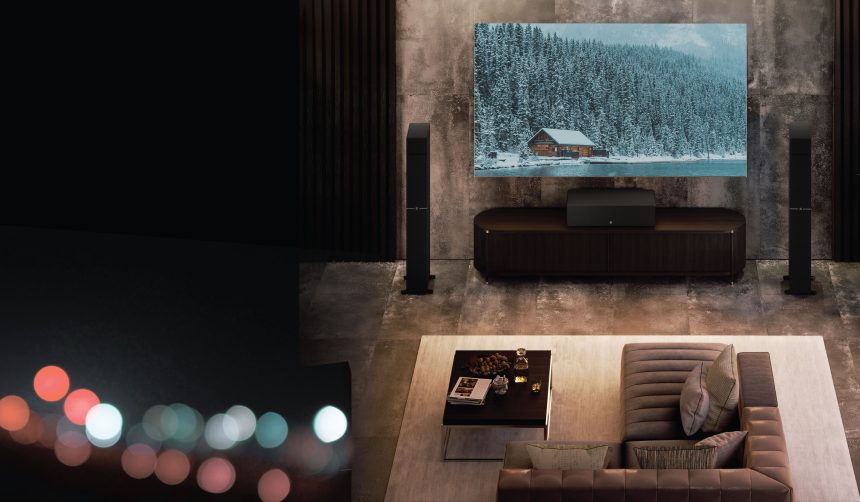
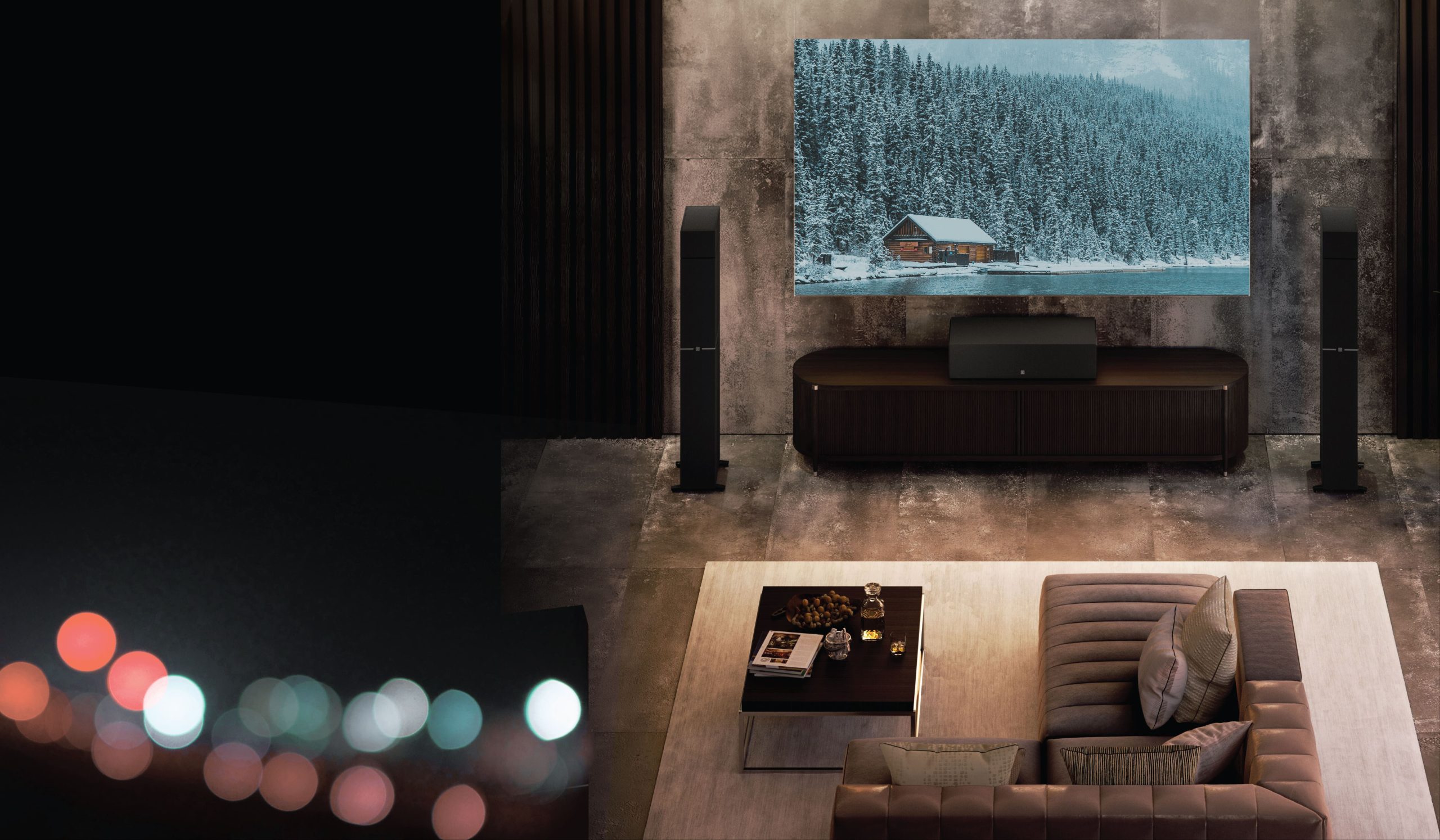
Designing an audio system begins with analyzing the physical dimensions and acoustic traits of your living area. Definitive Technology engineers products designed to accommodate everything from dedicated media rooms to casual living spaces. For expansive listening areas, large floorstanding towers—such as models from the Dymension series—anchor the front soundstage with commanding dynamic authority, reproducing both delicate micro-details and visceral low-frequency explosions.
In moderate or space-constrained layouts, stand-mount bookshelf speakers paired with a discrete subwoofer often provide superior balance. This modular approach allows you to place mid-to-high frequency drivers at ear level while situating low-frequency units where room modes are most manageable. If floor space is at a premium, architectural in-wall or in-ceiling installations maintain clean sightlines while delivering immersive cinema reproduction.
Prioritize acoustic balance across your channels. The center channel handles upwards of 70% of dialogue and primary on-screen action, making it the most critical component for film clarity. Selecting front, center, and surround channels from the same design family ensures cohesive timber matching, preventing tonal jarring as effects pan across your listening field.
02
Before you order
Acoustic Design and Driver Technology Considerations
A defining hallmark of high-end home theater engineering is driver dispersion and enclosure resonance management. Definitive Technology is well-known for pioneering Forward-Focused Bipolar Array configurations, which combine front-facing transducers with rear-facing drivers. This design reflects natural ambient reverberation off back walls while keeping primary dialogue and transients tightly focused directly toward the primary listening position.
For dedicated low-frequency reproduction, standalone units like the Descend subwoofer series employ engineered passive radiators to push maximum acoustic energy without mechanical port noise. When evaluating driver specifications, focus on crossover integration and cabinet rigidity. Dense, acoustically inert enclosures prevent internal standing waves from coloring the midrange, resulting in vocal reproduction that sounds authentic and uncompressed.
Before finalizing equipment selections, cross-reference the nominal impedance and sensitivity of the speakers with your amplifier or AV receiver. While high-sensitivity speakers can achieve impressive volume with modest amplification, speakers featuring built-in powered subwoofers or complex crossover networks benefit greatly from clean, stable power delivery to maintain full dynamic headroom during peak movie sequences.
System Integration and Placement Guidelines
Even the finest acoustic hardware will underperform if placed haphazardly within a room. Bipolar speakers require adequate breathing room—ideally 12 to 24 inches from the rear wall—to allow the reflected soundstage to bloom naturally. Placing rear-radiating speakers flush against a wall can exaggerate lower midrange frequencies and cause muddy sound reproduction.
When configuring subwoofers, room boundaries act as acoustic amplifiers. Placing a subwoofer in a corner increases total low-frequency output, but can trigger uneven bass peaks depending on your room’s natural modes. Testing the subwoofer crawl—moving the unit across candidate locations while listening from primary seating—helps identify positions that deliver tight, articulated bass rather than boomy resonance.
Finally, inspect every detail when purchasing online. Review the checkout portal for current product revisions, bundled accessory options, manufacturer warranty coverage, and return guidelines. Verifying shipping methods—particularly freight handling for heavy floorstanding speakers—ensures your equipment arrives safely and remains protected throughout setup.
- Measure floor footprint, boundary distances, and ceiling height before choosing between floorstanding towers and compact bookshelf models.
- Confirm AV receiver or amplifier output wattage per channel to ensure adequate headroom for high-performance speaker configurations.
- Inspect checkout details on the official merchant site for active discount eligibility, freight delivery terms, and warranty coverage.
03
FAQ
What makes bipolar speakers different from standard loudspeakers?
Bipolar speakers feature drivers firing both forward and backward in phase. This creates a wider, more three-dimensional soundstage by blending direct sound with subtle room reflections, making movies and music feel significantly more expansive than traditional front-only boxes.
Do I need a separate subwoofer if my tower speakers have built-in powered woofers?
Tower speakers with integrated powered subwoofers can provide deep, full-range bass without needing an external enclosure. However, adding a dedicated standalone subwoofer gives you more freedom to address room-specific nulls and enhance ultra-low subterranean frequencies.
What size amplifier or AV receiver do I need?
Most modern AV receivers with 80 to 150 watts per channel at 8 ohms will comfortably drive these speakers. Check the specific nominal impedance and recommended power range listed on the product specifications page before purchasing amplification.
How should I verify warranty and shipping policies when ordering?
Always review terms directly on the merchant's official checkout page. Definitive Technology products typically carry manufacturer warranties, but exact warranty duration, freight shipping policies, and trial return windows depend on current terms and authorized dealer status.
Disclosure: this article may contain affiliate links. We may earn a commission if you purchase through these links, at no extra cost to you.